Applying Facade Cladding Logic to Interior Fabric Acoustic Design
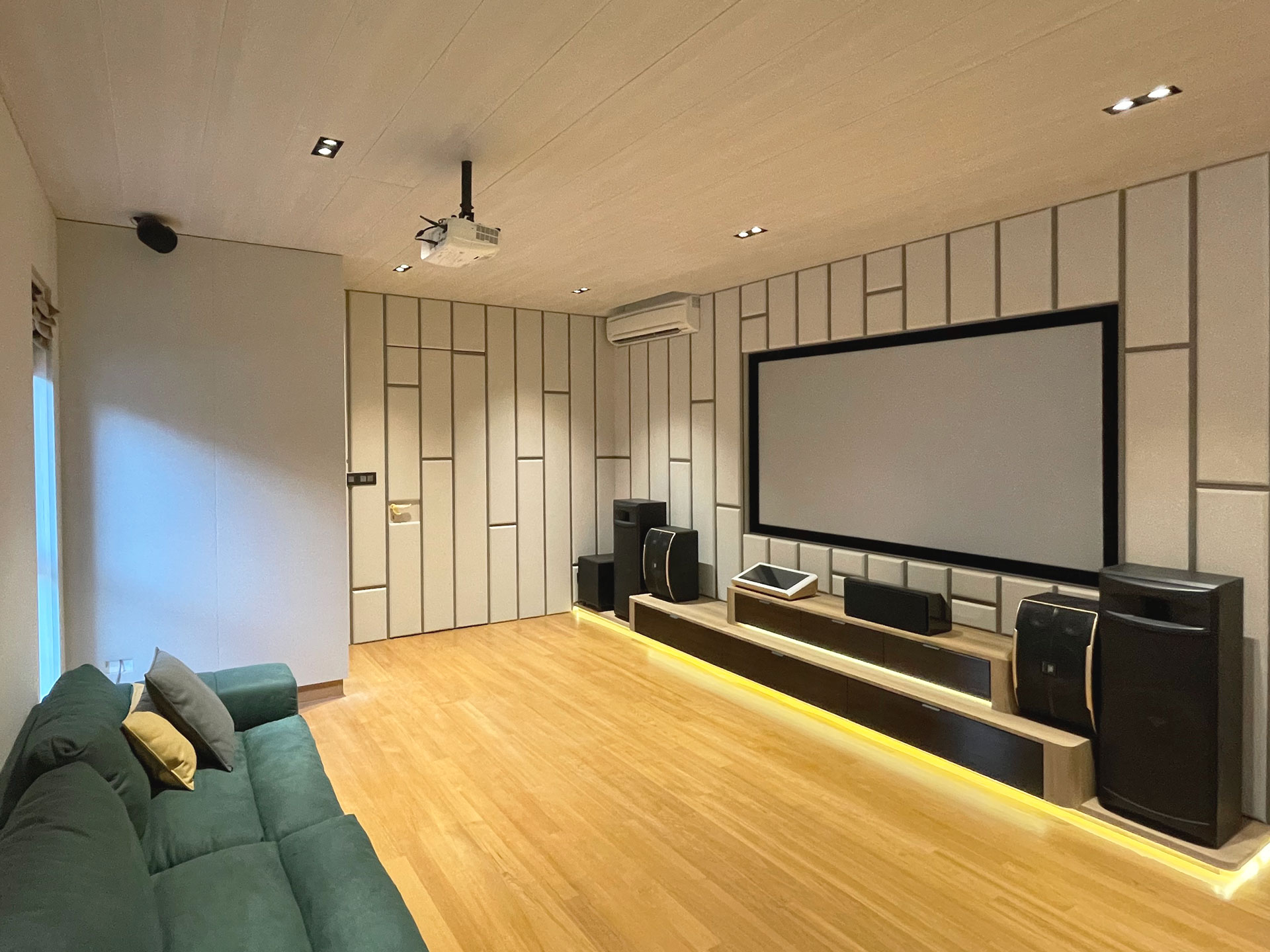
Translating Exterior Systems Indoors
Facade cladding systems are designed around principles of layering, durability, thermal control, moisture management, and structural integration. These logics—typically associated with building envelopes—are increasingly influencing interior fabric acoustic design. Stretch fabric wall systems and fabric ceiling assemblies now adopt facade-like thinking, where performance layers, tensioned skins, backing substrates, and fire-resistant cores operate as coordinated systems rather than isolated components.
By borrowing envelope logic, interior acoustic design moves beyond decorative absorption panels toward engineered assemblies that integrate sound control, safety, sustainability, and architectural coherence.

Facade Principles in Interior Acoustic Systems
Facade engineering logic provides transferable design strategies for acoustic fabric applications within interior architectural contexts.
Layered Assembly Concepts
Facade cladding systems rely on layered assemblies that separate structure, insulation, weather barriers, and outer skins. Interior fabric acoustic panels mirror this logic through layered compositions consisting of stretch fabric, mineral wool or PET cores, fixing rails, and substrate backings. Architectural research highlights that layered construction improves durability and system coordination in envelope design¹.
In acoustic interiors, layering enhances both sound absorption and maintenance flexibility. Fabric tension layers function similarly to facade rainscreens—protecting and concealing performance cores while enabling replacement without full system removal.
Performance Integration
Facade systems integrate thermal insulation, fire performance, and moisture management into unified assemblies². Applying this to fabric acoustic walls allows integration of acoustic absorption, thermal buffering, and fire-resistant mineral wool cores within a single stretched surface system.
Rather than treating acoustic panels as add-ons, facade logic encourages treating them as part of the building’s performance envelope—particularly in large auditoriums, offices, and schools where noise reduction and environmental control intersect.
Modular Panel Geometry
Facade cladding frequently uses modular panels to control installation tolerances and visual rhythm. Stretch fabric systems adopt similar modularity through track profiles and bevel edge acoustic panels that create consistent visual alignment across wall and ceiling transitions.
This modular thinking supports renovation and phased installation strategies while maintaining architectural continuity.

Material Behaviour and Interior Performance
Applying facade cladding logic to interior acoustic systems requires understanding material behaviour beyond aesthetics.
Fabric tension influences acoustic transparency and long-term dimensional stability. Similar to facade membranes, tensioned fabric must maintain consistent surface flatness to avoid sagging or acoustic shadowing. Research in architectural acoustics demonstrates that porous fabric coverings allow broadband absorption when combined with mineral wool or fibrous substrates³.
Material density also parallels facade insulation strategies. Higher density mineral wool cores provide improved fire resistance and structural rigidity, while lighter PET cores reduce embodied carbon and improve sustainability metrics. The mineral wool vs rockwool comparison becomes relevant when balancing fire-resistant requirements with acoustic efficiency.
Finally, surface pattern and fabric colour selection must account for light reflectance and thermal interaction, echoing facade design considerations regarding solar gain and environmental performance.

Sustainability and Fire Safety Integration
Facade-derived design thinking reinforces sustainability and safety compliance in acoustic fabric installations.
Fire-Resistant Assemblies
Exterior cladding systems must meet stringent fire performance standards. Interior acoustic fabric panels similarly require fire-resistant cores and tested surface materials. Mineral wool insulation is widely recognised for non-combustibility⁴, making it a preferred core in fabric wall systems requiring enhanced safety certification.
Thermal and Acoustic Synergy
Facade insulation logic emphasises thermal performance optimisation. Interior fabric acoustic panels incorporating mineral wool or dense PET cores contribute modest thermal buffering, especially in auditoriums or event spaces. Thermal insulation and acoustic absorption share material strategies, reinforcing performance efficiency⁵.
Durability and Maintenance
Facade cladding prioritises durability under environmental stress. Translating this indoors encourages the use of tensioned fabric systems that allow re-skinning without replacing absorptive cores. This approach extends product life cycles and supports renovation efficiency in schools and office projects.
Green Building Alignment
Facade sustainability metrics—embodied carbon, lifecycle analysis, and responsible sourcing—are increasingly mirrored in interior systems. Fabric acoustic panels supported by Environmental Product Declarations align with sustainable construction frameworks and reduce project-level environmental impact⁶.

Integrated Acoustic Architecture
The application of facade cladding logic to interior fabric acoustic design represents a conceptual shift from decorative acoustic treatment toward integrated architectural systems. Layered assemblies, modular geometry, fire-resistant cores, and performance transparency combine to create stretch fabric wall systems that operate as interior envelopes rather than applied finishes.
This integration enhances audio clarity in auditoriums and home theatre spaces, supports noise reduction in offices and schools, and strengthens environmental alignment in green building projects. By adopting facade logic—layering, durability, sustainability, and modular coordination—fabric acoustic panels evolve into hybrid architectural systems that simultaneously address acoustics, safety, sustainability, and design coherence.
As architecture increasingly values system-based performance over isolated components, interior acoustic design benefits from adopting proven envelope strategies. Fabric tension, density selection, mineral wool integration, and modular track installation echo facade engineering principles while responding to interior sound management requirements. The result is an acoustic environment that is not only technically effective but structurally and environmentally aligned with modern architecture’s broader performance objectives.
References
Straube, J., & Burnett, E. (2005). Building Science for Building Enclosures. Building Science Press, 2005.
World Health Organization. (2018). Environmental Noise Guidelines for the European Region. 2018
ISO. (2003). ISO 354 Acoustics — Measurement of sound absorption in a reverberation room. International Organization for Standardization, 2003.
U.S. Department of Energy. (2015). Mineral Wool Insulation Fact Sheet. DOE, 2015.
European Commission. (2020). A Renovation Wave for Europe – greening our buildings. European Commission, 2020.
Cox, T. J., & D’Antonio, P. (2016). Acoustic Absorbers and Diffusers: Theory, Design and Application. CRC Press, 2016.
Share