Fabric Acoustic Panels and Indoor Air Quality Performance

Healthy Sound Environments
Indoor environmental quality increasingly depends on the interaction between acoustic control and air quality performance. Fabric acoustic panels are widely used in offices, schools, auditoriums, and renovation projects to improve sound absorption and speech clarity. However, beyond noise reduction, these systems influence indoor air quality (IAQ) through material emissions, fibre stability, fire-resistant treatments, and ventilation interaction. Understanding this relationship is essential in sustainable interior design.
Material Emissions and Air Quality
Material selection directly influences indoor pollutant levels and long-term health performance in acoustic installations.
Volatile Organic Compounds
Volatile Organic Compounds (VOCs) released from fabrics, adhesives, and core materials can affect occupant comfort and respiratory health. The California Department of Public Health Standard Method v1.2 defines emission testing requirements for building products used in interior environments¹. Fabric acoustic panels that comply with low-emitting criteria contribute to healthier indoor air by reducing formaldehyde and total VOC concentrations in enclosed spaces.
In stretch fabric wall systems and ceiling fabric assemblies, low-VOC adhesives and textile treatments are critical to maintaining compliance in green building projects.
Core Material Selection
The selection of mineral wool, fiberglass, or PET fibre cores influences both acoustic absorption and IAQ performance. The U.S. Environmental Protection Agency notes that properly bound mineral wool insulation does not release harmful particulates when installed correctly². PET-based cores derived from recycled plastics can further reduce potential airborne fibre concerns while supporting sustainability objectives.
Comparing mineral wool vs rockwool cores often involves balancing fire-resistant properties with emission profiles.
Fabric Treatments and Finishes
Fabric density, tension, and surface treatments affect not only sound absorption but also chemical emissions. Flame-retardant treatments, if improperly specified, may introduce additional pollutants. Research from the World Health Organization highlights the importance of limiting chemical exposure in indoor environments³. Selecting certified acoustic fabric panels with transparent ingredient reporting reduces IAQ risks.

Ventilation Interaction and Acoustic Design
Ventilation performance and acoustic treatment must operate as coordinated systems within interior architecture.
First, excessive reverberation can affect occupant stress and communication efficiency, indirectly influencing perceived air quality. The World Health Organization Environmental Noise Guidelines demonstrate that prolonged exposure to poor acoustic environments can impact health and cognitive performance³. Fabric acoustic panels help control sound levels, enhancing overall environmental comfort.
Second, acoustic panels installed across large wall or ceiling areas must not obstruct airflow pathways. Properly designed stretch fabric systems allow integration with HVAC diffusers and return vents, maintaining balanced air distribution.
Third, material porosity in acoustic fabric panels allows sound waves to penetrate absorptive cores while permitting air circulation. Studies on fibrous absorbers confirm that porous materials enable effective sound absorption without significantly restricting airflow⁴.
Sustainable Acoustic Fabric Systems
Sustainable interior acoustic solutions integrate emission control, durability, and lifecycle performance.
Low-Emitting Certifications
Low-emitting certifications aligned with CDPH testing standards ensure measurable IAQ compliance¹. Fabric acoustic panels tested under recognised chamber methods support green building documentation and reduce occupant exposure risks.
Recycled PET Fibres
Recycled PET fibre panels reduce embodied carbon while maintaining acoustic efficiency. Life-cycle inventory data indicate that recycled plastics significantly reduce greenhouse gas emissions compared to virgin production⁶, contributing to eco-friendly interior construction strategies.
Moisture and Mold Resistance
Interior fabric systems must resist moisture accumulation to prevent mould growth. The U.S. Environmental Protection Agency emphasises moisture control as a primary strategy in maintaining healthy indoor environments². Properly tensioned fabric panels with mineral wool cores reduce condensation risks in office and school applications.
Thermal Insulation Synergy
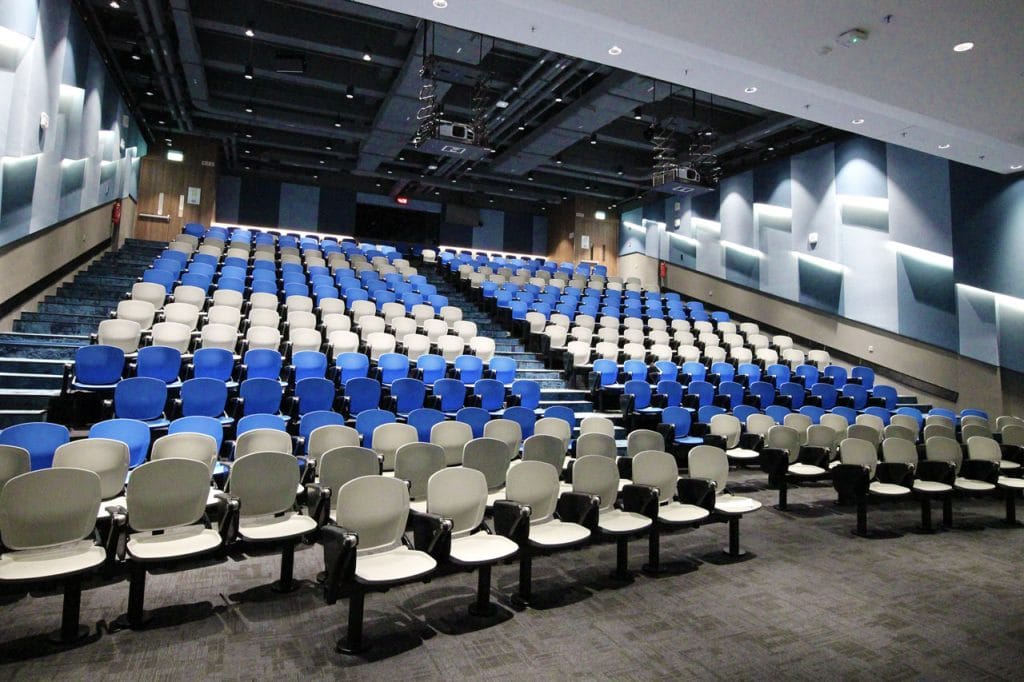
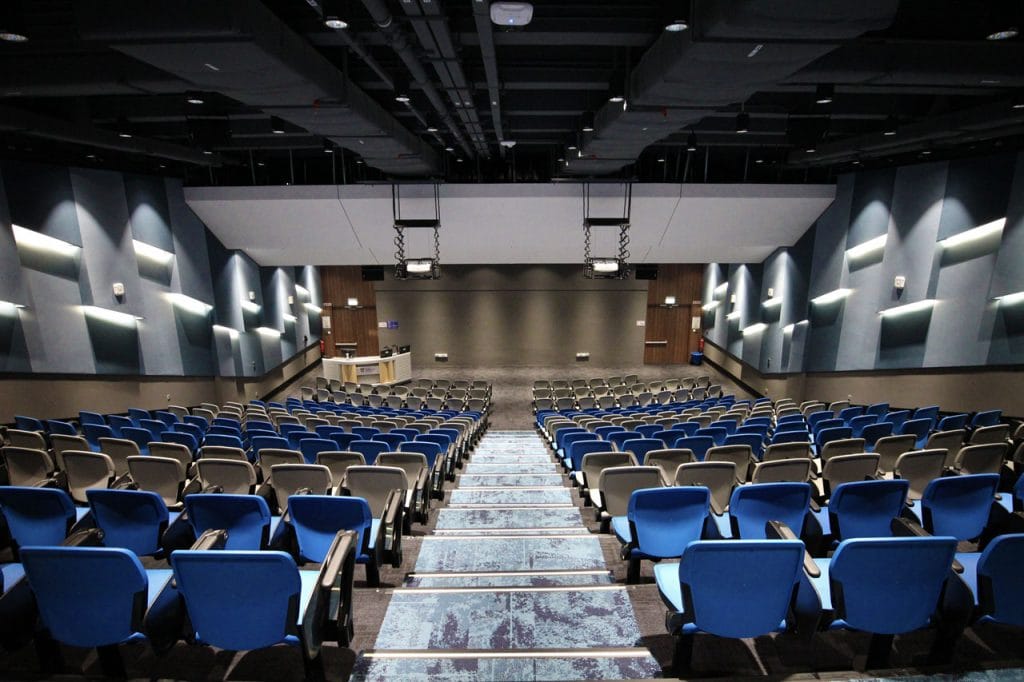
Fabric acoustic panels with dense fibrous cores provide minor thermal insulation benefits. Combining sound absorption and thermal buffering enhances overall environmental performance, particularly in auditoriums and home theatre spaces where temperature control and sound clarity intersect.
Designing for Healthy Acoustic Spaces
Fabric acoustic panels contribute significantly to indoor air quality performance when properly specified and certified. Beyond noise reduction and audio clarity, their influence extends to emission control, ventilation coordination, fire resistance, and sustainable material sourcing.
Architects and designers must evaluate fabric density, tension systems, fire-resistant cores, and chemical treatments within a holistic environmental framework. Stretch fabric wall systems, bevel edge acoustic panels, and ceiling fabric installations that meet low-VOC standards and fire safety requirements enhance occupant wellbeing in offices, schools, and modern architecture projects.
As sustainability and health criteria become integral to building codes and green building frameworks, acoustic design can no longer operate independently from IAQ considerations. Integrating fabric acoustic panels into a comprehensive environmental strategy ensures that sound control, safety, and air quality coexist within high-performance interior spaces.
References
California Department of Public Health. (2017). Standard Method for the Testing and Evaluation of Volatile Organic Chemical Emissions from Indoor Sources Using Environmental Chambers (Version 1.2). California Department of Public Health.
U.S. Environmental Protection Agency. (2022). Indoor air: Guidelines, policies, and regulation.U.S. Environmental Protection Agency.
World Health Organization. (2018). Environmental Noise Guidelines for the European Region. World Health Organization.
ASTM International. (2013). ASTM E84: Standard Test Method for Surface Burning Characteristics of Building Materials. ASTM International.
Franklin Associates. (2018). Life Cycle Inventory of 100% Postconsumer PET Recycled Resin from Postconsumer Containers and Packaging. American Chemistry Council.
U.S. Department of Energy. (2015). Insulation Fact Sheet. U.S. Department of Energy.
Share